The Baby Boomer generation, born roughly between 1946 and 1964, grew up during a period of immense cultural and societal change in the United States and across the world. This generation witnessed the transition from a post-World War II society to the turbulent 1960s and early 1970s, which were marked by significant social movements, technological innovations, and cultural revolutions. Pop culture during this time reflected and often drove these changes, with Baby Boomers shaping and defining much of the entertainment, music, fashion, and media that continue to influence today’s society. From the rise of drive-in movies to the iconic Woodstock festival, Baby Boomer pop culture is an essential part of modern history and serves as a window into the transformative years of the mid-20th century.
1. The Rise of Drive-In Movies
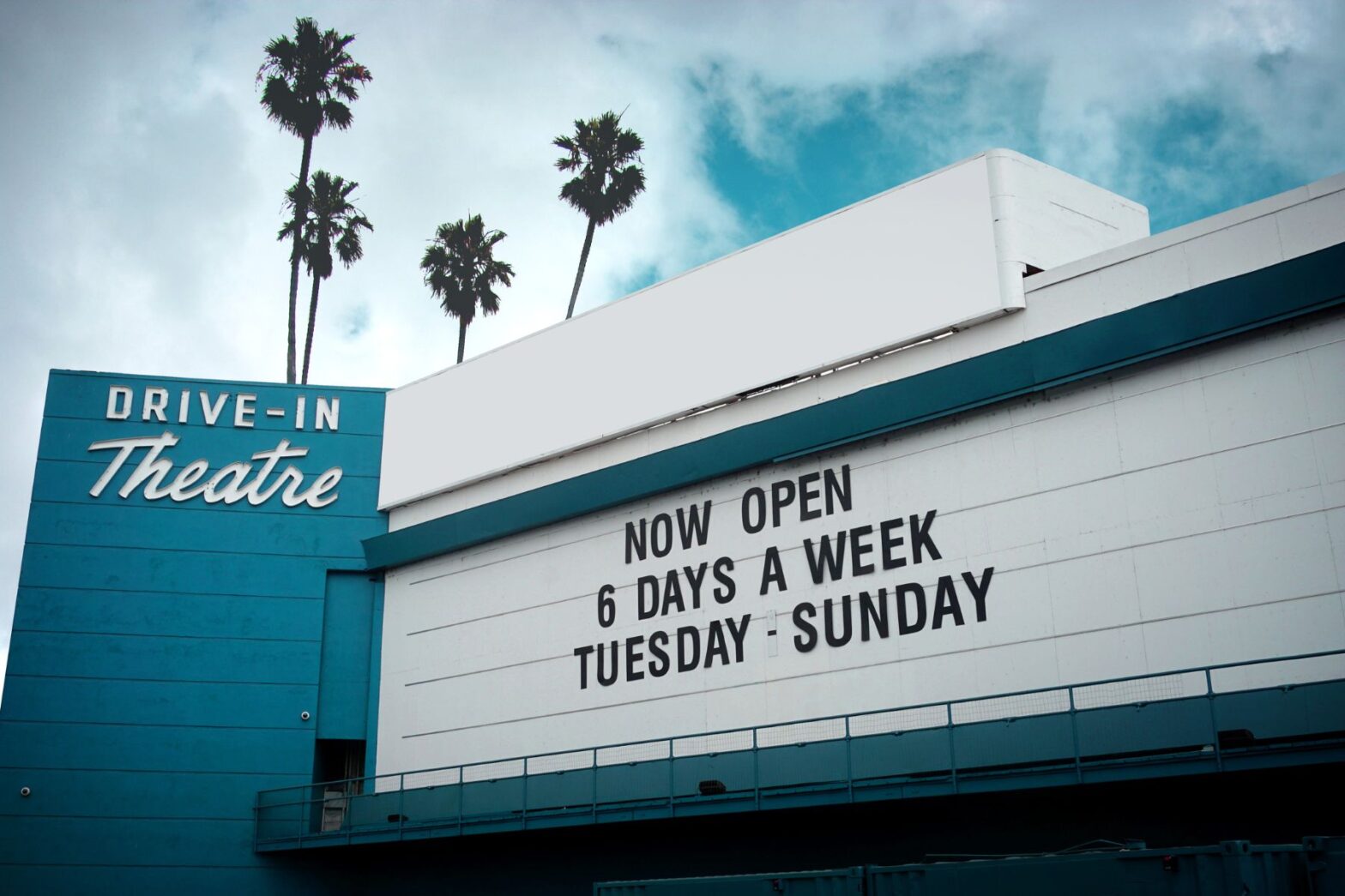
One of the earliest and most beloved elements of Baby Boomer pop culture was the drive-in movie theater. Drive-ins became incredibly popular in the 1950s and 1960s, providing a unique cinematic experience that allowed families and teenagers to enjoy films in a relaxed, open-air setting. For many Baby Boomers, the drive-in was a key part of their childhood and adolescence.
Drive-in theaters often featured double features, cartoons, and serials, making it an affordable and family-friendly outing. For teenagers, the drive-in became a social hub, offering a place to hang out with friends, sneak a kiss, or simply enjoy the latest Hollywood blockbuster. Drive-ins were an integral part of the American cultural landscape during this period, reflecting the growing importance of leisure and entertainment in Baby Boomer life. They also symbolized the rising popularity of car culture in postwar America, where owning a car and having the freedom to drive was a rite of passage.
2. The Birth of Rock ‘n’ Roll and Youth Culture
The 1950s saw the emergence of rock ‘n’ roll, a genre of music that became the soundtrack to the lives of Baby Boomers. Artists like Elvis Presley, Chuck Berry, Little Richard, and Buddy Holly revolutionized music and youth culture. Rock ‘n’ roll’s rebellious energy, catchy rhythms, and youth-centric themes resonated deeply with Baby Boomers, who were coming of age in a time of relative economic prosperity and social change.
Elvis Presley, the “King of Rock ‘n’ Roll,” was perhaps the most iconic figure of this era, with his electrifying performances and iconic style. His music and image broke traditional boundaries of race, class, and gender, appealing to both white and Black audiences. The rise of rock ‘n’ roll was not just a musical phenomenon; it also helped to create a sense of identity and solidarity among young people, setting the stage for the cultural revolutions of the 1960s.
The youth culture fostered by rock ‘n’ roll also marked a significant shift in the way society viewed teenagers. No longer merely seen as a transition phase, adolescence became a period of self-expression, rebellion, and individuality. This was the foundation upon which the later counterculture movement would be built.
3. The Influence of Television and the “Golden Age” of TV
As the 1960s unfolded, television became the dominant medium for entertainment, news, and culture, shaping the lives of Baby Boomers in profound ways. By the early 1960s, nearly every American household had a television, and shows like I Love Lucy, The Ed Sullivan Show, The Twilight Zone, and The Andy Griffith Show became cultural touchstones for the generation.
For many Baby Boomers, television was the window through which they explored the world, witnessed major historical events, and shaped their views on society. The televised broadcast of the civil rights movement, for example, exposed millions of Americans to the struggles for racial equality, influencing the national dialogue on race and justice. The assassination of President John F. Kennedy in 1963 was another defining moment that was etched into the collective memory of Baby Boomers, as it was broadcast live on television and brought the nation to a halt in mourning.
Television also played a central role in the development of pop culture by bringing entertainment directly into people’s homes. Shows like The Beatles’ Ed Sullivan Show appearance in 1964 made an indelible impact on the Baby Boomer generation, marking the beginning of the “British Invasion” in music and the cultural revolution that followed.
4. Woodstock: The Pinnacle of the Counterculture Movement
Arguably the most iconic moment of Baby Boomer pop culture was the 1969 Woodstock Festival, a gathering of over 400,000 people who came together for three days of music, peace, and love. Woodstock represented the peak of the counterculture movement that had been brewing throughout the 1960s. The festival was not just a music event; it was a statement against the social norms, the Vietnam War, and the conservative values that many Baby Boomers were rebelling against.
Woodstock brought together some of the biggest names in music at the time, including Jimi Hendrix, Janis Joplin, The Who, and Jefferson Airplane, creating an unforgettable experience that blended music, politics, and a desire for societal change. The image of Jimi Hendrix playing the Star-Spangled Banner on an electric guitar became a defining symbol of the cultural upheaval of the time.
For many Baby Boomers, Woodstock became a symbol of freedom, unity, and rebellion. It captured the spirit of the age and became a rallying cry for those who sought to challenge the establishment and create a new world. Although Woodstock was not without its problems—such as overcrowding, rain, and logistical challenges—the idealistic goals of the festival lived on in the hearts of those who attended and in the music that emerged from it.
5. The Impact of Baby Boomer Pop Culture Today
The impact of Baby Boomer pop culture continues to resonate in today’s society. The music of the 1960s and 1970s remains influential, with artists like The Beatles, Bob Dylan, and The Rolling Stones continuing to be celebrated by new generations. The themes of social justice and rebellion that defined the counterculture movement have found a place in modern activism, with movements such as Black Lives Matter and climate change advocacy drawing from the same desire for societal change.
Furthermore, Baby Boomer television shows and films continue to be rediscovered through streaming platforms, with series like The Twilight Zone and I Love Lucy maintaining their popularity across generations. The Baby Boomer generation’s passion for self-expression and individuality also paved the way for the diversity of voices and perspectives we see in today’s media landscape.
In many ways, Baby Boomer pop culture helped lay the groundwork for the digital age. The explosion of music, television, and film in the 1960s and 1970s created a consumer-driven culture that set the stage for the rise of the internet and the media conglomerates that dominate today.
Conclusion
From the excitement of drive-in movies to the transformative energy of Woodstock, Baby Boomer pop culture defined a generation and reshaped society in profound ways. The era was one of rebellion, freedom, and the search for identity, and its influences continue to shape the world today. Whether through music, television, or social movements, the Baby Boomer generation’s cultural legacy remains an integral part of modern pop culture. The experiences and expressions of this era helped to define the freedoms and values that still resonate with people all around the globe.